Realistic Optimism: The Mindset That Helps Students Grow.
Deliberate Optimism: The Mindset That Helps Students Grow. Every December my business coach—yes, even tutors need tutors—asks me to look back at the year and

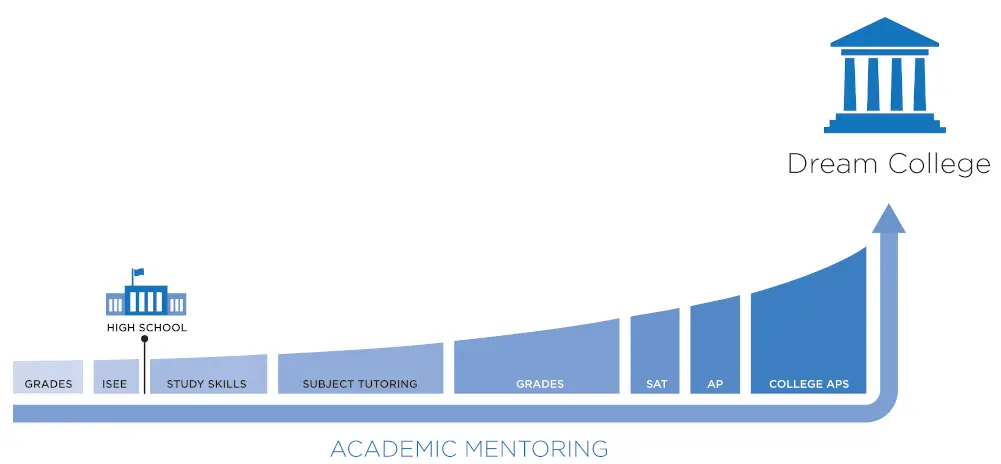
College admissions success is built over time. We help students make stronger academic choices, plan strategically, prepare for testing, and move through high school with less stress and more direction.
College planning is not just about filling out applications in twelfth grade.
Long before deadlines arrive, students are shaping their future through the classes they take, the habits they build, the way they use their summers, and the choices they make about testing and activities. Families do not need a rigid master plan years in advance, but they do benefit from clear guidance while important decisions can still make a difference.
That is where College Path comes in.
At Achieve Tutorials, we help students and families make smarter academic, testing, and planning decisions over time so students can build stronger records, avoid preventable mistakes, and move toward college with more clarity and less stress.
We are not a traditional independent college counseling firm promising insider access, admissions connections, or a one-size-fits-all formula.
What we do offer is experienced, individualized support in the areas that most directly shape college outcomes: academic performance, course planning, testing strategy, time management, and application support.
We also help families navigate a process that can feel confusing and fragmented. School counselors can be helpful, but they often have large caseloads and limited time. Many students benefit from more personalized guidance and more consistent one-on-one support.
In other words, we help students build the kind of record that gives applications substance, then help them present that work clearly and effectively.
College Path is designed for families who want practical guidance, not vague advice or last-minute scrambling. Depending on the student’s age and needs, support may include:
Academic planning and course selection
Choosing a rigorous but sustainable path through high school
School performance support
Improving grades, habits, study systems, writing, reading, and subject mastery
SAT and ACT planning
Deciding when to test, which test to focus on, and how preparation fits into the larger timeline
Summer planning
Using summers well for skill-building, academic support, meaningful activities, or test prep
Extracurricular direction
Encouraging depth, follow-through, and thoughtful commitment rather than random résumé padding
Application coaching
Helping students stay organized, manage deadlines, develop strong essays, and handle the process more effectively
Parent guidance
Helping families focus on what matters most and make smarter decisions about time, energy, and support
Students can begin this process at many different points. Starting earlier does not mean putting college pressure on younger students. It means giving families better information before important decisions pile up.
The right help at the right time can:
Too many families wait until applications feel urgent. By then, some of the most important opportunities and decisions are already behind them.
Our College Path approach combines two ideas.
First, we look at the whole student. Academic success is never just about one score or one GPA. A student’s strengths, habits, workload, goals, and stress level all matter.
Second, we look at the process over time. College readiness is built step by step, through years of choices and follow-through, not through one burst of effort at the end.
That is why we combine individualized support with longer-range planning. We help students understand where they are now, what matters next, and how to move forward wisely.
Every student is different. Some need stronger study habits. Some need better academic support. Some need help choosing between the SAT and ACT. Some are doing well on paper but feel overwhelmed and need more structure.
Our work begins by understanding the student as a whole person, not just as an applicant. We look at academic performance, strengths and weaknesses, motivation, activities, stress points, and family priorities so the guidance actually fits the student in front of us.
Because advice is only useful when it fits real life.
The road to college looks different at each stage of school. What matters in seventh or eighth grade is not the same as what matters in junior year. Students do not need to do everything at once, but they do benefit from knowing what to focus on now and what can wait.
Middle School
This is the time to build foundations. Strong reading, writing, math, organization, and study habits matter far more than artificial résumé-building. Students should be developing confidence, consistency, and academic readiness for high school.
Ninth and Tenth Grade
These years are about building momentum. Students begin creating the academic record colleges will later see. This is the time to make smart course choices, strengthen habits, address weaknesses early, and start building more meaningful involvement outside the classroom.
Eleventh Grade
Junior year is often the pressure point. It combines demanding coursework, test preparation, college exploration, and increasing time pressure. Good planning here can make a major difference in both performance and stress.
Twelfth Grade
Senior year is about execution. Applications, essays, recommendations, deadlines, testing decisions, and financial aid all need to come together. Students who have built momentum earlier usually move through this stage with far less panic and much stronger results.
SAT and ACT testing should not be treated as an afterthought.
For many students, strong test scores still add real value. They can strengthen an application, support scholarship opportunities, and provide useful context for grades. But testing works best when it is handled thoughtfully, not reactively.
We help students and families think through questions like:
Instead of guessing, families get a clearer plan.
When application season arrives, students often need more than reminders and generic advice. They need structure, accountability, and thoughtful feedback.
We help students stay on track with the moving parts of the application process, including:
We do not pretend college admissions is a magic formula. But strong students with a clear plan almost always do better than strong students trying to improvise under pressure.
College Path is a good fit for families who want:
College Path is especially valuable for families who want practical, individualized guidance from someone who understands students deeply and can help them build real strength over time.
Families often come to us because they want something more personal and more consistent than scattered advice from multiple sources.
We do not treat academics, testing, applications, and stress as separate issues. They affect one another. A student who is overloaded cannot simply be told to “build a stronger profile.” A student with weak foundations will not be helped much by last-minute application polish. A strong student with inconsistent habits often needs structure just as much as encouragement.
That is where our approach is different. We help families connect the dots, make better decisions earlier, and support the student in front of them, not some generic version of a college applicant.
Whether your student is still building foundations or already approaching applications, the right guidance can make the process more effective and a lot less stressful.
Let’s talk about where your student stands now, what matters most next, and how to build a stronger path forward.

Deliberate Optimism: The Mindset That Helps Students Grow. Every December my business coach—yes, even tutors need tutors—asks me to look back at the year and


Did you happen to read the Wall Street Journal article titled “Parents Who Hire Elite Tutors Are Setting Their Kids Up for Failure”? You can

https://youtu.be/5Jkn4L_ea2k Transcript: To everyone out there in the Achieve Tutorials family, Happy New Year! This morning, as I sipped my first coffee of the year,

College admissions is a long game with lots of moving parts. If you thought standardized tests were off the table, think again. Need to Know:

College admissions is a long game with lots of moving parts. If you thought standardized tests were off the table, think again. Need to Know: the

https://youtu.be/-jKY3-NGyWI SUMMARY: Discover the surprising skills that college freshmen and sophomores lack, according to college professors. In this episode, Pete from Achieve Tutorials interviews Dr.